Skin
Renewal
Chemical Peels
by SkinCeuticals
ABOUT
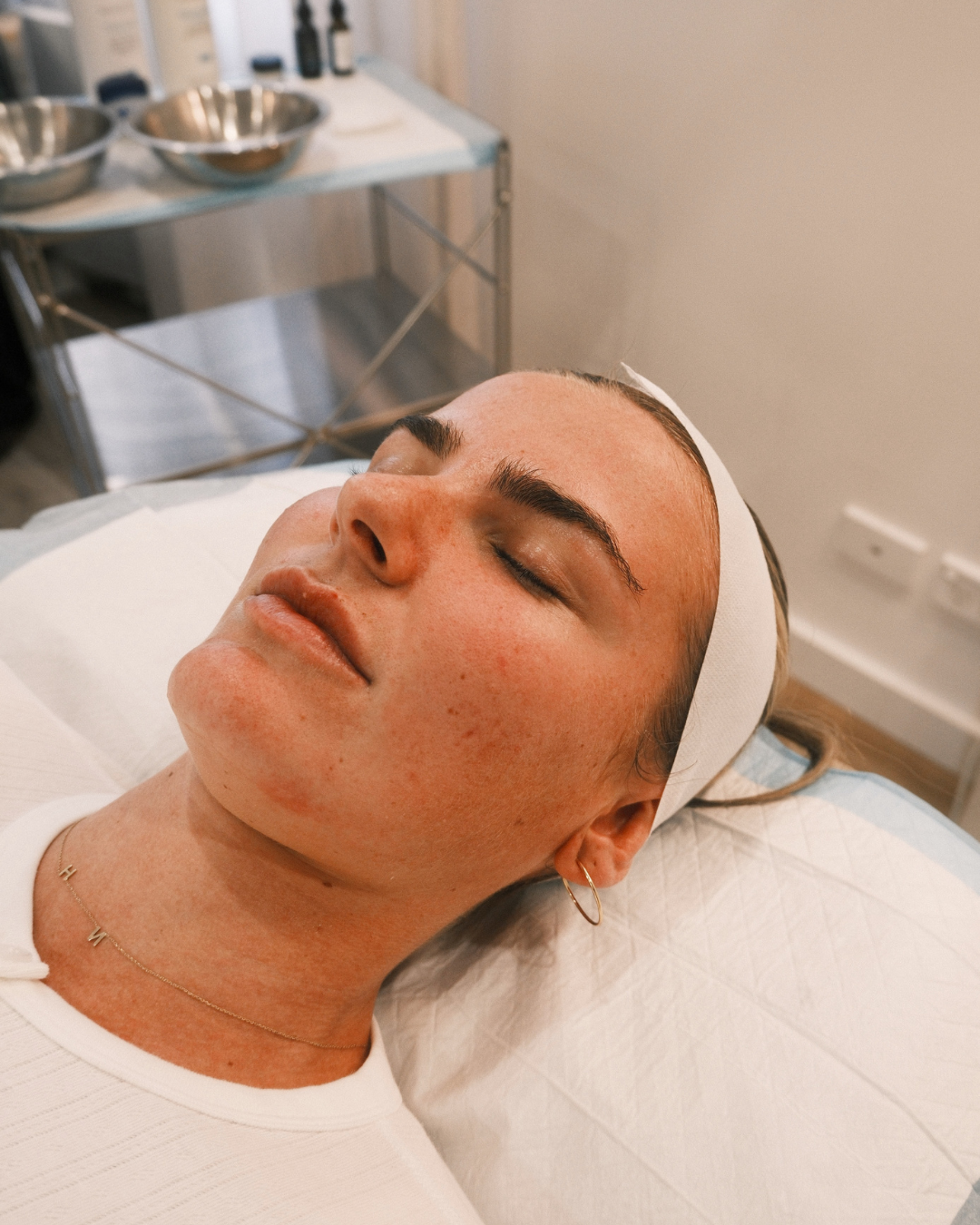
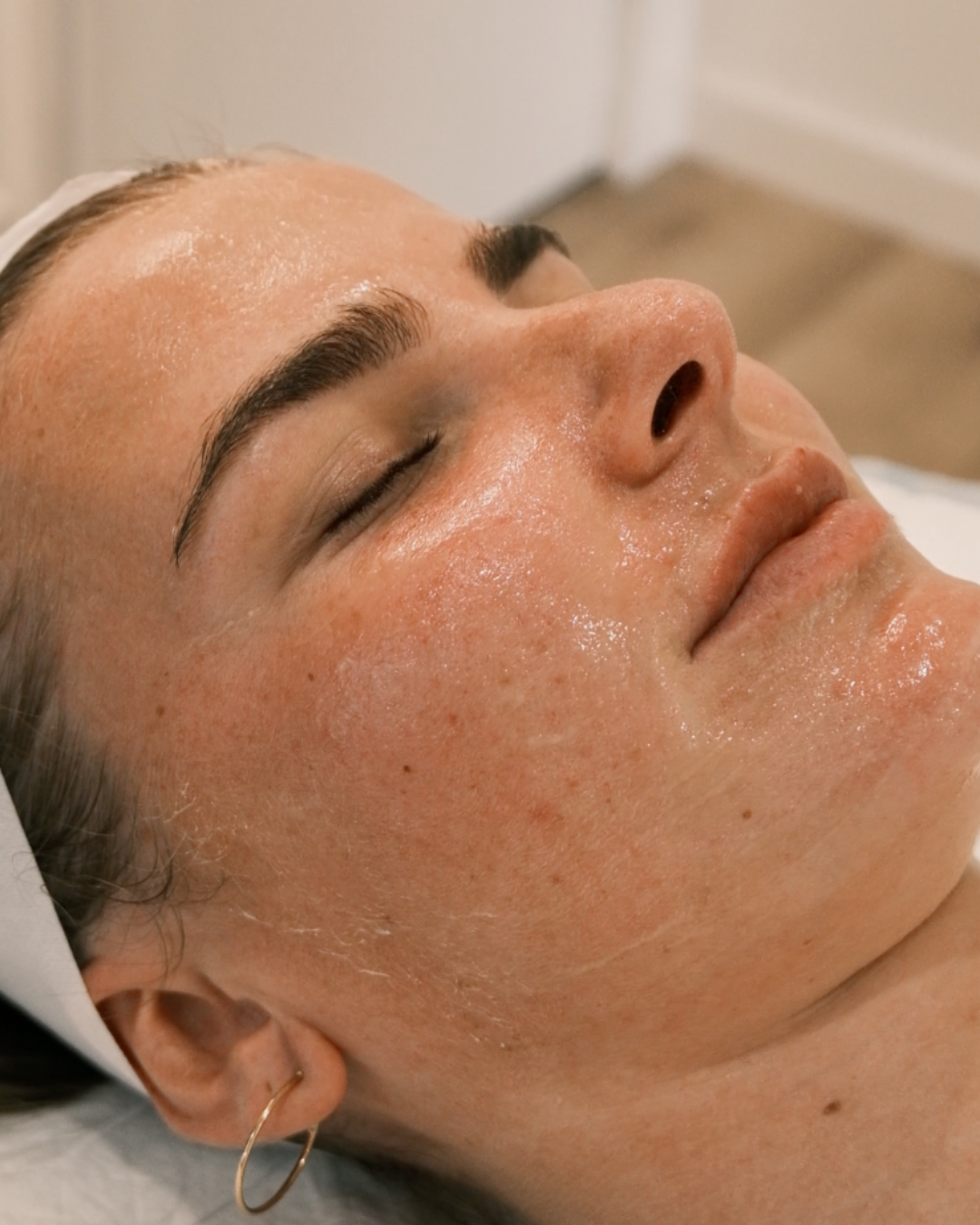
A chemical peel is chemical exfoliation. A professional-grade acid solution loosens the bonds holding dead skin cells together, so they lift away over the following days. The change builds gradually as fresher skin comes through.
What is a Chemical Peel?
A professional-grade acid solution is applied evenly across clean skin and left for a set time before it is neutralised or removed. It loosens the bonds holding dead skin cells together so they can shed.
Because it is chemical exfoliation rather than physical exfoliation, the effect unfolds over days rather than minutes. Skin may feel tight or flake lightly as it renews, then appears fresher and more even as newer cells come through.
It is a well-established treatment, but it is still an active acid on the skin. A trained clinician chooses the peel strength after assessing your skin.
OUR APPROACH
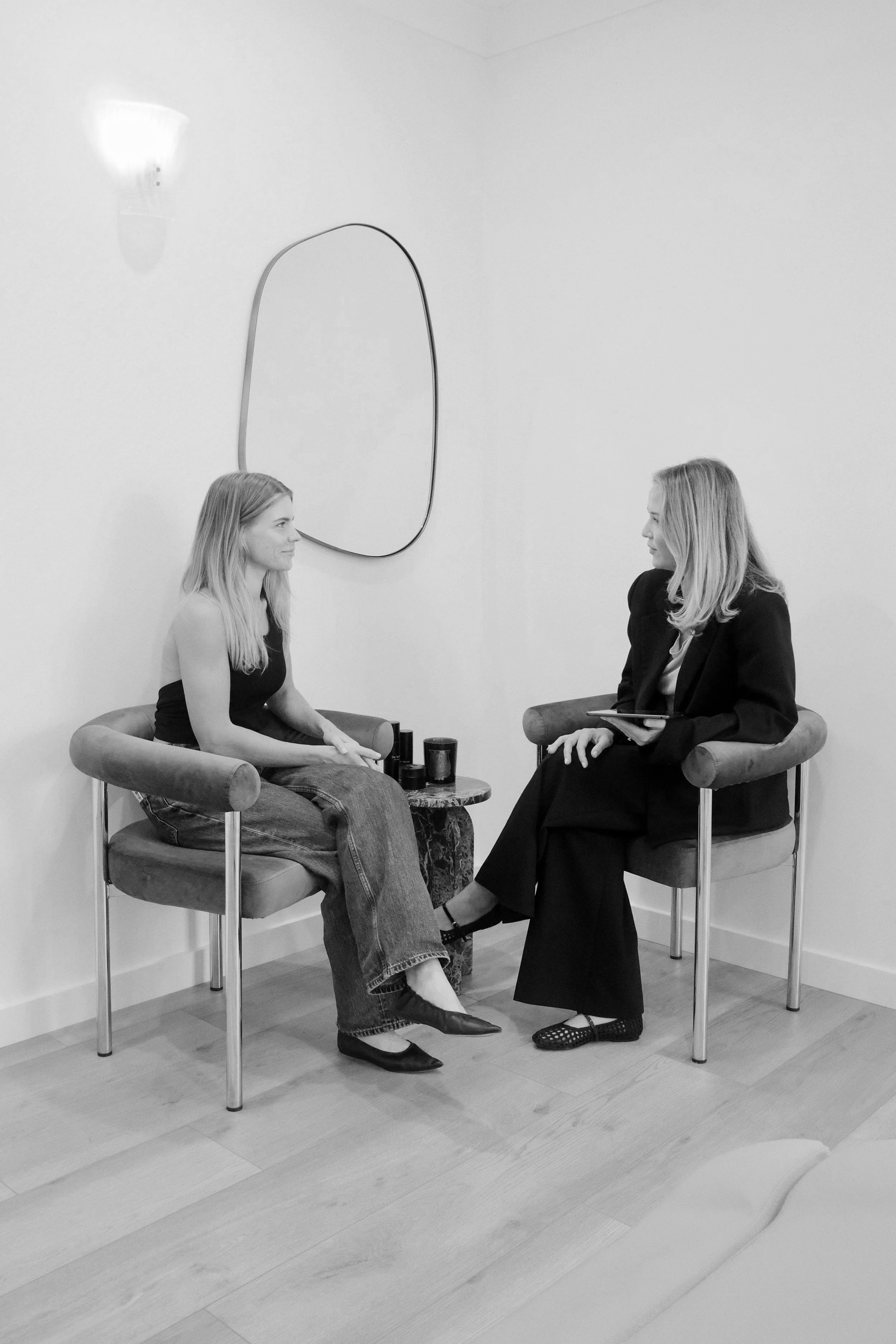
Every skin treatment at Hanné Aesthetics follows a thorough assessment of your skin's individual needs. There are no off-the-shelf protocols here.
CLINICAL STANDARDS
All treatments are performed by one of our Registered Nurses or Dermal Therapists using medical-grade technologies and clinically proven actives selected for your specific skin concerns.
DRIVEN BY RESULTS, NOT TRENDS
We invest in treatments with real clinical evidence behind them. If something won't genuinely benefit your skin, we won't recommend it.
Expectations
What it does
What it doesn’t do
Deliver the full result in a single session
Remove deep or established scarring
Tighten or lift loose skin
Remove the need for daily SPF
Replace a skincare routine or an in-clinic treatment plan
Exfoliates dead skin cells from the surface
Encourages skin renewal over the days that follow
Leaves skin looking brighter and more even
Helps the products applied afterwards absorb properly
Refines texture over a course of treatments
If your concern sits in the right-hand column, book a skin consultation instead. We would rather point you to the right treatment than sell you the wrong one.
A common misconception
A peel does not have to peel to be working.
This is the question most people ask before booking, so it is worth answering properly.
Visible peeling depends on the strength of the peel and on your skin. Many lighter peels cause little more than mild flaking or a slight tightness for a day or two. Some cause none you would notice at all.
The work happens beneath what you can see. The solution loosens the bonds between dead skin cells, and they shed at their own pace. How much you flake is not a measure of how well the treatment has worked.
Stronger peels can involve more noticeable shedding and some downtime. Your clinician will talk you through what to expect for the peel chosen for you.
suitability
Most skin types can have a chemical peel, once the right acid and strength are chosen. It suits people who want brighter, more even-looking skin, smoother texture over time, or a reset for skin that looks dull or congested.
Who it suits
When we will ask you to wait
Open or inflamed lesions in the treatment area. Acid on broken skin can sting, irritate and slow healing.
Active breakouts
Anywhere on the face. We will reschedule you. If you are prone to them, let us know beforehand.
Active cold sore
Skin needs to be intact and settled before a peel. This includes a recent tan.
Sunburn or recent sun exposure
Skin that is stinging, flaking or reactive needs repairing before it is exfoliated further.
A compromised barrier
Between flares a gentle peel may be suitable. During one it is not.
Rosacea or eczema in flare
Peels, needling and laser all need a clear interval. Your clinician will advise the spacing.
Recent isotretinoin
Waxing, threading or strong actives in the days beforehand can make skin more reactive. We will tell you what to pause and when.
Recent waxing or retinoid use
Pregnancy or breastfeeding
Some acids are not recommended during this time. Let us know so we can discuss your options.
Common Questions
-
Skin may look pink and feel tight or warm for a few hours. Depending on the strength, light flaking can follow over the next few days. Let it shed on its own and avoid picking. Keep skincare gentle, stay out of the sun and wear SPF daily. Your clinician will give you aftercare instructions for your specific peel.
-
Peels work best as a course, spaced a few weeks apart. Your clinician will recommend a plan based on your skin and the peel used. They pair well with dermaplaning, which clears the surface so the peel can work evenly.
They also sit well alongside LED and a consistent homecare routine. Treatments like skin needling can be part of the same plan, spaced appropriately.
-
Most people describe a warm, tingling or itchy sensation while the solution is on. It settles once the peel is neutralised or removed. Stronger peels can feel more intense, but the sensation is brief, and your clinician monitors your skin throughout.
-
We recommend leaving skin bare for at least 24 hours. Skin is more sensitive straight after a peel, and makeup can irritate it or sit unevenly over flaking. Your clinician will let you know when it is safe to return to your usual routine.
-
Yes, with the right timing.
We recommend coming in for a peel prior to you event prep so we can see how your skin takes the peel.
As a general rule, book your peel at least one to two weeks before the event so any flaking has settled. Avoid having a peel in the days just before. If you have never had one, a first peel close to an event is not recommended.
-
Some acids are not recommended during pregnancy or while breastfeeding. Others may be suitable. Let us know at booking and your clinician will advise on a safe option.
-
Yes. Every peel starts with a skin assessment. Your clinician will look at your skin, your history and your current routine before choosing the acid and strength. If you are new to the clinic or new to peels, this may be booked as a separate appointment.
LET’S GET STARTED
Our team is ready to provide the attention, care, and expertise you deserve.